Growth needs a skeleton
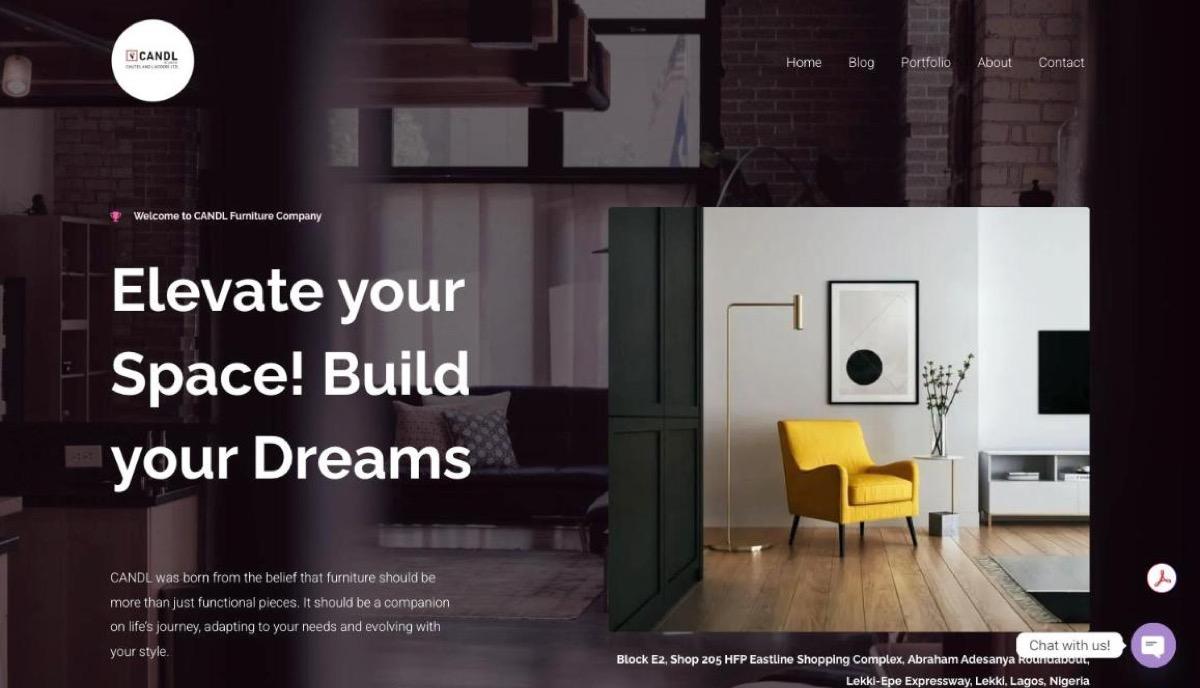
CANDL makes bespoke furniture for homes and offices, with work for corporate clients. Making beautiful things to order is hard enough. Doing it on time, again and again, as the orders grow, is the real test.
I joined as chief operating officer, on contract, with a wide brief: production, logistics, customer service, and finance and admin execution. The business didn't need a new idea. It needed a skeleton.
A rhythm the whole team could keep
I set an operating plan across every part of the business, then built a weekly rhythm around it: weekly reviews, an issue log, decision tracking and, most importantly, a named owner for every action.
Nothing clever. Just a routine everyone could keep, which is exactly why it worked.
Every issue had an owner, and every owner had a date.
Seeing production
You can't improve what you can't see. I introduced production tracking and standard ways of working, so quality became predictable, rework fell, and a delivery date started to mean something.
People who know what they own
A growing business can't run on goodwill alone. I made expectations explicit, set up proper onboarding for new staff, and followed through on performance. People knew exactly what they owned, and so did everyone else.
The result
Average monthly revenue went from about ₦50 million in 2024 to about ₦105 million in 2025, and production delays fell from over 15% to under 5%.
That is what structure does. It doesn't make a business work harder. It lets it work without dropping things.