One rule: every project needs a finish line
A team of five engineers had been building one product for two years, and nothing had reached a customer. The talent was there. What was missing was a finish line.
Our rule was to define 'done' for everything, and to make it visible, so effort turns into a product.
A finish line turns effort into a product.
What we were building
TrybeOne is a proper mobile banking app for students, teens and young adults, aged 15 to 25. Members can open an account, transfer money, pay bills and request support, all from their phone.
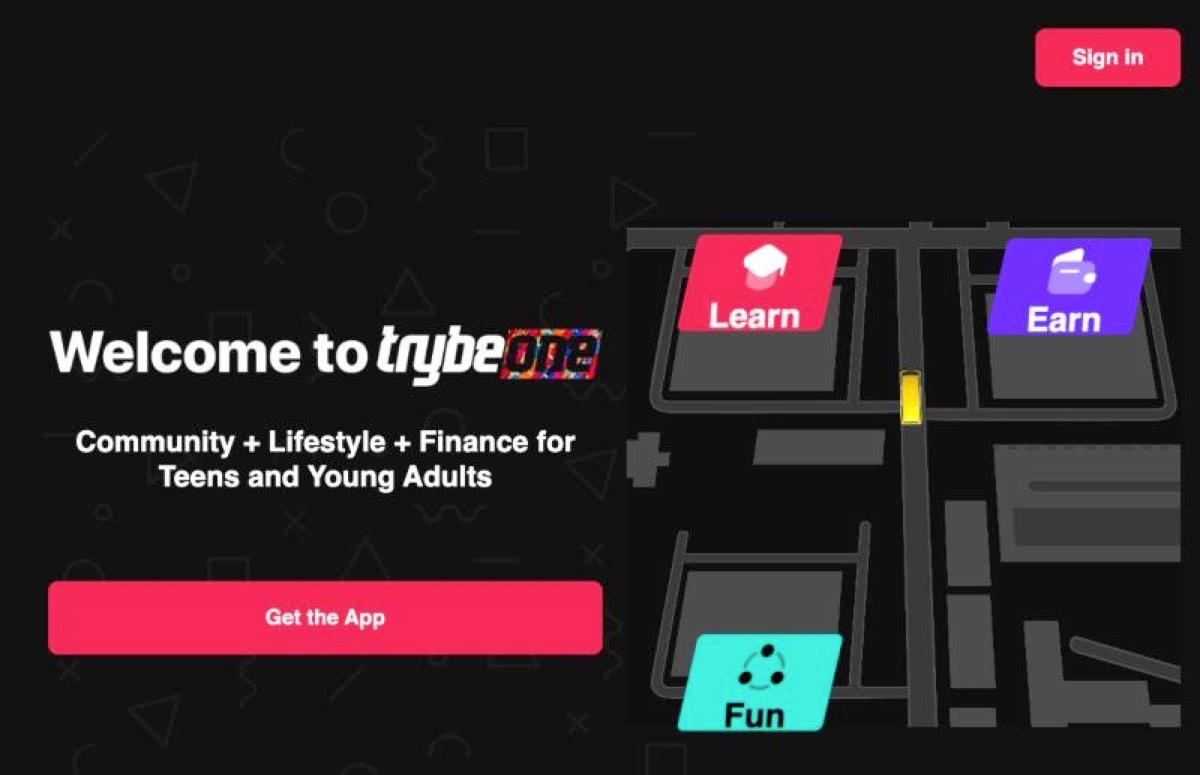
Around that banking core sits a community built on three ideas: learn, earn and have fun. The learning side is a hub of news, articles and a reading community, with a blog and video channel. The earning side helps members take their first steps as young entrepreneurs. The fun side is the social heart of it. Banking is what makes the community useful, and the community is what makes the banking feel like theirs.
A banking product for teenagers has to be trusted by their parents as well as by them, so the basics were built in from the start: secure sign-in, a privacy policy, a user agreement, in-app requests for support and a dedicated support line, TrybeCare.
The delivery structures we put in place
We agreed what 'ready' meant, and then built three structures around it. Planning routines broke the work into smaller steps, each with a visible end. Quality gates meant nothing went out without passing the same checks, every time. A release readiness check confirmed that a release was safe before it left the building.
The effect was practical: the team could finish things, and everyone could see what was finished.

The release
Within three months of my joining, the product shipped. A team that had spent two years without a release had a live product, and the confidence that goes with it.
A portfolio built on the same structures
A team that learns to ship keeps shipping. Using the same planning routines, quality gates and readiness checks, it went on to deliver core banking middleware, an equity crowdfunding platform for small businesses, an SME management platform for a national agency, and an internal CRM and task tool.
I led that team as it grew past twenty people across engineering, product, design and testing. The structures scaled with it, because they were simple.
Where it stands
The structures are still the heart of how I run delivery: a clear finish line, small visible steps, and a check before anything goes out.